

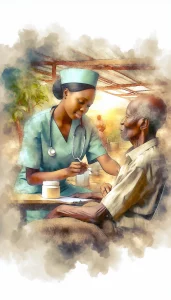
Nursing is a dynamic and versatile profession that encompasses a wide range of roles and responsibilities. In this topic, we will explore the diverse scope of nursing practice in Zambia. We will delve into the various roles and responsibilities that nurses undertake to provide comprehensive and holistic care to individuals, families, and communities.
1. Direct Patient Care
Direct patient care is a fundamental aspect of nursing practice. Nurses play a crucial role in providing hands-on care to patients, ensuring their comfort, safety, and wellbeing. This involves tasks such as administering medications, assessing vital signs, assisting with activities of daily living, and providing emotional support. Nurses are trained to monitor patients, observe any changes in their condition, and communicate these changes to the healthcare team. By delivering direct patient care, nurses contribute to the successful recovery and overall health of individuals.
2. Health Promotion
Another important aspect of nursing practice is health promotion. Nurses are involved in promoting and maintaining the health of individuals and communities through education and preventive measures. They engage in health promotion activities such as conducting health assessments, providing health education, and advocating for healthy lifestyle choices. By empowering individuals with knowledge and skills, nurses help them make informed decisions about their health and prevent the onset of illnesses.
3. Education
Nurses also have a significant role in patient education. They act as educators, teaching patients and their families about their conditions, treatment plans, and self-care techniques. Nurses provide instructions on medication management, wound care, and other aspects of post-treatment care. By educating patients, nurses empower them to actively participate in their own care and make informed decisions about their health.
4. Administration
Nursing extends beyond direct patient care and education. Nurses also contribute to the administrative aspects of healthcare delivery. They may be involved in managing healthcare units, coordinating patient care, and ensuring the smooth operation of healthcare facilities. Nurses collaborate with other healthcare professionals to develop and implement policies and procedures that promote safe and effective care. They may also be involved in quality improvement initiatives and research projects to enhance the delivery of nursing care.
In conclusion, the scope of nursing in Zambia is vast and multifaceted. Nurses play a vital role in direct patient care, health promotion, education, and administration. By performing these diverse responsibilities, nurses contribute to the overall health and wellbeing of individuals, families, and communities.