

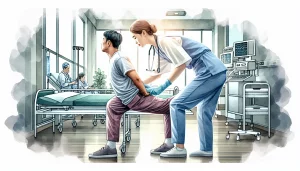
In this topic, we will explore the crucial aspect of patient safety in nursing care. As healthcare professionals, nurses play a vital role in ensuring the well-being and safety of their patients. By implementing appropriate measures, nurses can prevent accidents, minimize risks, and promote a safe environment for patients. In this section, we will discuss some of the essential patient safety measures that every nurse should be aware of.
5.1.1 Proper Body Mechanics
Proper body mechanics involve using correct techniques and positioning to minimize strain on the body and prevent injuries during patient care activities. Nurses should be mindful of their posture, body alignment, and lifting techniques to avoid musculoskeletal injuries and back pain. By maintaining correct body mechanics, nurses can not only protect themselves from harm but also ensure the safety and comfort of their patients.
Key considerations for proper body mechanics include:
- Maintaining a straight back and using the legs to lift heavy objects or patients.
- Avoiding twisting or bending at the waist while lifting.
- Using assistive devices (such as transfer belts or slide sheets) to reduce strain during patient transfers.
- Adjusting the bed or equipment heights for optimal ergonomic positioning.
5.1.2 Safe Medication Administration
Safe medication administration is crucial to prevent medication errors and adverse drug reactions. Nurses must have a thorough understanding of medication dosage, administration routes, and potential side effects. It is essential to follow the “Five Rights” of medication administration:
- Right patient: Verify the patient’s identity before administering any medication.
- Right medication: Ensure that the prescribed medication matches the medication to be administered.
- Right dosage: Double-check the prescribed dosage and calculate the correct amount if necessary.
- Right route: Administer the medication through the appropriate route (oral, intravenous, intramuscular, etc.).
- Right time: Administer the medication at the correct time according to the prescribed schedule.
Additionally, nurses should document medication administration accurately and clearly communicate any potential risks or side effects to the patient.
5.1.3 Fall Prevention
Falls can lead to severe injuries, especially for vulnerable patients such as the elderly or those with mobility issues. Nurses play a critical role in fall prevention by identifying patients at risk and implementing appropriate preventive measures. Key strategies for fall prevention include:
- Conducting fall risk assessments upon admission and regularly thereafter.
- Ensuring a safe environment by removing potential hazards and maintaining clear pathways.
- Providing assistive devices (such as handrails, non-slip mats, or walking aids) to aid patient mobility.
- Educating patients and their families about fall prevention techniques and self-care strategies.
By implementing these measures, nurses can significantly reduce the occurrence of falls and enhance patient safety.
5.1.4 Infection Control
Infection control is a fundamental aspect of patient safety in healthcare settings. Nurses must adhere to strict infection control protocols to prevent the spread of infectious diseases and safeguard both patients and healthcare providers. Key practices for infection control include:
- Hand hygiene: Properly washing hands before and after patient contact or using alcohol-based hand sanitizers.
- Personal protective equipment (PPE): Wearing gloves, masks, gowns, and eye protection as required to prevent cross-contamination.
- Proper disposal of sharps and biomedical waste to minimize infection risks.
- Following aseptic techniques during invasive procedures or wound care.
- Adhering to isolation precautions when caring for patients with contagious diseases.
By following these infection control measures, nurses can create a safe and sterile environment that protects patients from potential harm.
In conclusion, patient safety is a paramount concern in nursing care. By understanding and implementing measures such as proper body mechanics, safe medication administration, fall prevention, and infection control, nurses can ensure the well-being and security of their patients. Being vigilant and proactive in promoting patient safety is essential for every nurse’s practice.