

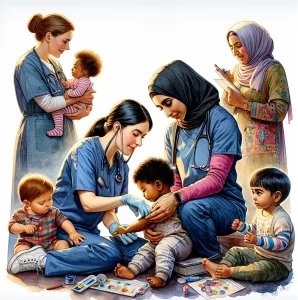
7.3 Pediatric Nursing
Topic: Pediatric Nursing Principles
Pediatric nursing is a specialized branch of nursing that focuses on the care of infants, children, and adolescents. In this topic, we will explore the principles of pediatric nursing, including growth and development milestones, common pediatric health conditions, and nursing interventions.
1. Growth and Development Milestones
Understanding the growth and development milestones in children is crucial for pediatric nurses. It helps them assess the child’s progress, identify any developmental delays or issues, and provide appropriate care. Some key aspects to consider include:
- Physical growth: Pediatric nurses should be aware of the average height, weight, and head circumference measurements for different age groups. They should also understand the expected growth patterns and variations in children.
- Cognitive development: Knowing the cognitive milestones helps pediatric nurses assess the child’s cognitive abilities and provide age-appropriate interventions. This includes understanding language development, problem-solving skills, and memory development.
- Social and emotional development: Pediatric nurses need to be familiar with the typical social and emotional milestones in children. This includes recognizing attachment behaviors, understanding social interactions, and identifying emotional regulation skills.
2. Common Pediatric Health Conditions
Pediatric nurses often encounter children with various health conditions. Understanding the common pediatric health conditions helps nurses provide effective care and support to their young patients. Some common pediatric health conditions include:
- Respiratory illnesses: Pediatric nurses should be knowledgeable about conditions such as asthma, bronchitis, and pneumonia. They should understand the signs and symptoms, appropriate treatments, and the importance of respiratory support.
- Gastrointestinal disorders: Pediatric nurses should be familiar with conditions like gastroenteritis, constipation, and gastroesophageal reflux disease (GERD). They should know how to assess and manage these conditions, including administering necessary medications and providing dietary guidance.
- Infectious diseases: Understanding common childhood infections, such as chickenpox, measles, and meningitis, is essential for pediatric nurses. They should be aware of the signs and symptoms, transmission modes, prevention strategies, and appropriate treatments.
- Chronic conditions: Pediatric nurses should have knowledge of chronic conditions that affect children, such as diabetes, cystic fibrosis, and sickle cell anemia. They should be able to provide ongoing care, educate patients and their families about self-management, and coordinate with other healthcare professionals.
3. Nursing Interventions in Pediatric Nursing
Pediatric nurses play a vital role in promoting the health and well-being of children. They implement various nursing interventions to support the child’s physical and emotional needs. Some nursing interventions commonly used in pediatric nursing include:
- Health assessments: Pediatric nurses conduct thorough assessments to gather information about the child’s health status. This includes physical examinations, taking vital signs, and assessing growth and development.
- Medication administration: Pediatric nurses administer medications to children, taking into account their unique dosage requirements and considerations. They ensure proper medication administration techniques and provide education to parents or caregivers.
- Health promotion: Pediatric nurses educate children and their families about healthy lifestyle practices, such as proper nutrition, regular exercise, and immunizations. They provide guidance on preventive measures to reduce the risk of common childhood illnesses.
- Pain management: Pediatric nurses use various strategies to assess and manage pain in children. They provide comfort measures, administer prescribed pain medications, and employ non-pharmacological techniques like distraction or relaxation techniques.
- Family support: Pediatric nurses work closely with families, providing emotional support, counseling, and resources. They involve parents in care decisions, empower them to participate in their child’s healthcare, and provide guidance on coping with their child’s illness.
By understanding pediatric nursing principles, nurses can provide holistic and specialized care to children, ensuring their health and well-being.