

Introduction
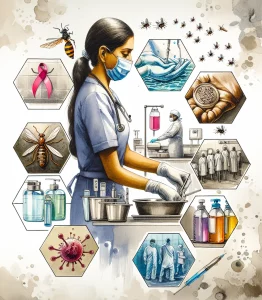
Infection control is of utmost importance in nursing as it plays a vital role in preventing the spread of diseases and maintaining a safe healthcare environment. This topic will explore the various aspects of infection control, including the significance of proper hand hygiene, sterilization techniques, and isolation precautions. Additionally, we will delve into the specific case studies of malaria, HIV/AIDS, and waterborne diseases prevalent in Zambia.
Lesson Objectives
By the end of this lesson, learners will be able to:
- Understand the importance of infection control in nursing.
- Demonstrate knowledge of proper hand hygiene techniques.
- Identify different methods of sterilization and their application.
- Explain the rationale behind isolation precautions.
- Recognize the impact of malaria, HIV/AIDS, and waterborne diseases in Zambia.
1. Importance of Infection Control in Nursing
In this section, we will discuss why infection control is crucial within the nursing profession. We will explore the potential risks associated with healthcare-associated infections (HAIs) and the impact they can have on both patients and healthcare workers. Furthermore, we will emphasize the role of nurses in preventing the transmission of infections and maintaining a safe healthcare environment.
2. Proper Hand Hygiene
Proper hand hygiene is one of the most effective ways to prevent the spread of infections. In this section, we will cover the importance of handwashing and hand sanitization techniques. We will provide step-by-step instructions on how to perform hand hygiene correctly, including the use of soap, water, alcohol-based hand sanitizers, and the proper duration of the procedure. Additionally, we will address common misconceptions and challenges related to hand hygiene compliance.
3. Sterilization Techniques
Sterilization is a critical process that eliminates or destroys all forms of microbial life from equipment, instruments, and the healthcare environment. In this section, we will discuss different methods of sterilization, including heat, chemicals, and radiation. We will explain when and how each method is utilized in healthcare settings, ensuring the safety and efficacy of medical equipment and supplies.
4. Isolation Precautions
Isolation precautions are measures taken to prevent the transmission of infectious diseases between patients and healthcare workers. In this section, we will explore the various types of isolation precautions, such as standard precautions, contact precautions, droplet precautions, and airborne precautions. We will discuss the rationale behind each type and provide examples of situations where they are necessary.
5. Malaria
Malaria is a significant health concern in Zambia, and nurses play a crucial role in preventing and managing its transmission. In this section, we will examine the causes, symptoms, and treatment of malaria. We will also discuss the importance of education and prevention strategies, such as the use of insecticide-treated bed nets and antimalarial medications.
6. HIV/AIDS
Zambia has a high prevalence of HIV/AIDS, and nurses are essential in providing care and support to affected individuals. In this section, we will explore the basics of HIV/AIDS, including its transmission, prevention, and treatment. We will also discuss the role of nurses in promoting HIV testing, counseling, and adherence to antiretroviral therapy.
7. Waterborne Diseases
Waterborne diseases pose a significant challenge in Zambia, especially in underserved communities. In this section, we will highlight common waterborne diseases prevalent in the country, such as cholera and dysentery. We will discuss the importance of clean water sources, proper sanitation practices, and the role of nurses in educating communities about waterborne disease prevention.
Conclusion
Infection control is a critical aspect of nursing studies in Zambia. This topic has covered the importance of infection control, proper hand hygiene, sterilization techniques, and isolation precautions. Furthermore, we have explored the specific case studies of malaria, HIV/AIDS, and waterborne diseases in Zambia. By understanding and implementing effective infection control measures, nurses can contribute significantly to the health and well-being of patients and communities.