

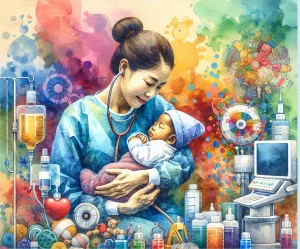
Pediatric nursing is a specialized area of nursing that focuses on the care of infants, children, and adolescents. In this topic, we will explore the essential aspects of pediatric nursing, including the nursing care of infants and children, common childhood illnesses, growth and development milestones, and immunization schedules.
Nursing Care of Infants and Children
Nursing care of infants and children requires a unique approach due to their specific physical, emotional, and developmental needs. Pediatric nurses play a crucial role in providing holistic care to ensure the well-being of their young patients. This includes monitoring vital signs, administering medications, conducting assessments, and providing emotional support to both the child and their family.
During this section, we will discuss the key aspects of nursing care for infants and children, including:
- Assessing and monitoring vital signs
- Administering medications and vaccines
- Providing nutritional support and guidance
- Promoting hygiene and safety
- Assisting with activities of daily living
- Educating parents and caregivers on child care practices
Common Childhood Illnesses
Children are prone to various illnesses and conditions that are unique to their age group. As a pediatric nurse, it is essential to be knowledgeable about the common childhood illnesses and their management. In this section, we will explore some of the most frequently encountered conditions, including:
- Respiratory infections such as colds, flu, and bronchitis
- Gastrointestinal disorders like diarrhea and gastroenteritis
- Skin infections, including rashes and dermatitis
- Childhood allergies and asthma
- Ear infections and other ENT-related conditions
- Urinary tract infections and kidney disorders
We will discuss the signs and symptoms of these illnesses, their treatment options, and the nursing interventions required to support the child’s recovery.
Growth and Development Milestones
Understanding the typical growth and development milestones is essential for pediatric nurses. In this section, we will explore the physical, cognitive, and psychosocial milestones that infants, children, and adolescents achieve at different stages of their lives. This knowledge will assist nurses in assessing the child’s progress and identifying any potential developmental delays.
We will cover milestones such as:
- Motor skills development (rolling over, crawling, walking)
- Language acquisition and communication skills
- Cognitive development (problem-solving, memory, attention)
- Social and emotional development (attachment, self-esteem, empathy)
Immunization Schedules
Immunization plays a vital role in protecting children from preventable diseases. Pediatric nurses are responsible for administering vaccines and educating parents and caregivers about the importance of immunizations. In this section, we will discuss the recommended immunization schedules for infants, children, and adolescents in Zambia. We will highlight the vaccines included in the national immunization program, their indications, contraindications, and potential side effects.
Conclusion
Pediatric nursing requires specialized knowledge and skills to provide optimal care to infants, children, and adolescents. By understanding the unique aspects of pediatric nursing, including nursing care, common childhood illnesses, growth and development milestones, and immunization schedules, nurses can contribute significantly to the well-being of their young patients.