

Introduction
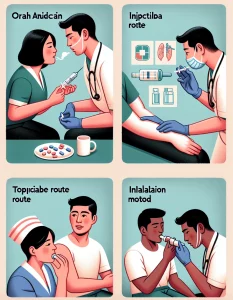
In the field of nursing, understanding the various routes of medication administration is essential for safe and effective patient care. Nurses play a crucial role in administering medications to patients, and they must have a thorough knowledge of different administration routes to ensure the correct delivery of medications. This topic will explore the four main routes of medication administration: oral, topical, injectable, and inhalation routes.
Oral Route
The oral route is one of the most common and convenient ways of administering medications. It involves the delivery of medications through the mouth, either in the form of tablets, capsules, liquids, or suspensions. Medications taken orally are usually absorbed in the gastrointestinal tract and then enter the bloodstream. Nurses must ensure that patients can swallow and digest the medication properly, taking into consideration factors such as the patient’s ability to swallow, any food or drug interactions, and the dosage instructions provided.
Topical Route
The topical route involves the application of medications directly to the skin or mucous membranes. This route is often used for localized treatments, such as ointments, creams, lotions, or patches. Topical medications are absorbed through the skin or mucous membranes and provide a targeted effect. Nurses should carefully assess the condition of the skin or mucous membrane before applying any topical medication. It is important to follow proper hygiene practices and ensure that the medication is applied to the correct area.
Injectable Route
The injectable route involves the administration of medications directly into the body through injections. This route allows for rapid absorption and quick onset of action. Nurses must be skilled in administering injections safely and accurately. There are different types of injectable medications, including intramuscular (IM), subcutaneous (SC), and intravenous (IV) injections. Each type requires specific techniques and precautions to be followed, and nurses should be trained in proper injection practices to minimize the risk of complications.
Inhalation Route
The inhalation route involves the delivery of medications directly into the respiratory system through inhalation. This route is commonly used for respiratory conditions such as asthma or chronic obstructive pulmonary disease (COPD). Medications can be delivered through inhalers, nebulizers, or other inhalation devices. Nurses should educate patients on the proper use of inhalation devices and provide instructions on correct inhalation techniques to ensure effective delivery of the medication to the lungs.
Conclusion
Understanding the different routes of medication administration is crucial for nurses to ensure safe and effective patient care. The oral, topical, injectable, and inhalation routes offer different advantages and considerations. Nurses should be knowledgeable about each route, including the specific techniques, precautions, and patient education required for each method. By having a comprehensive understanding of medication administration routes, nurses can contribute to better patient outcomes and promote optimal medication management.