

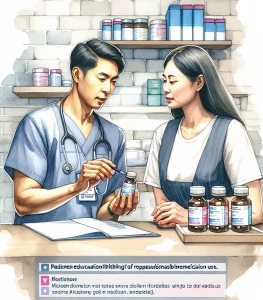
In nursing practice, patient education plays a crucial role in promoting safe and effective medication use. Educating patients about their medications is essential to empower them to take an active role in their own healthcare. This topic will delve into the importance of patient education regarding medication use, covering important aspects such as proper dosage, timing, side effects, and self-administration techniques.
Learning Objectives
By the end of this topic, you will be able to:
- Understand the significance of patient education in medication use
- Explain the importance of proper dosage and timing
- Identify common side effects of medications and their management
- Demonstrate self-administration techniques to patients
Importance of Patient Education in Medication Use
Patient education is a critical component of nursing care and is particularly important when it comes to medication use. When patients have a clear understanding of their medications, they are more likely to adhere to the prescribed treatment plan and experience better health outcomes. By providing education on medication use, nurses can help patients make informed decisions about their healthcare, promote medication safety, and prevent potential medication errors.
Proper Dosage and Timing
Correct dosage and timing are essential for medication effectiveness and patient safety. In this section, we will discuss the importance of following prescribed dosages and adhering to the prescribed schedule. Emphasize the significance of not skipping doses or doubling up on medication to compensate for missed doses. Explain the risks associated with incorrect dosages and the potential impact on treatment outcomes.
Common Side Effects and Management
All medications have the potential to cause side effects. It is crucial for patients to be aware of these potential side effects and how to manage them. Discuss common side effects associated with different types of medications, such as gastrointestinal disturbances, dizziness, drowsiness, or allergic reactions. Educate patients on when to report side effects to their healthcare provider and provide strategies for managing and minimizing side effects.
Self-Administration Techniques
In certain situations, patients may need to administer their medications independently, whether at home or in a community setting. This section will cover self-administration techniques to ensure patients understand how to take their medications correctly. Topics to be covered may include the appropriate use of devices such as inhalers, insulin pens, or eye drops. Highlight the importance of hand hygiene, proper storage of medications, and the importance of following specific administration instructions.
Conclusion
Patient education on medication use is essential for promoting safe and effective healthcare. By providing education on proper dosage, timing, side effects, and self-administration techniques, nurses can empower patients to take an active role in managing their medications. This knowledge will not only enhance patient safety but also improve treatment adherence and overall health outcomes.
Remember, as a nurse, you are the advocate for your patients. By educating them about their medications, you are equipping them with the knowledge they need to make informed decisions about their healthcare.