
Benefits of Digitalization in Healthcare

Pekka Ollikainen 6.3.2024
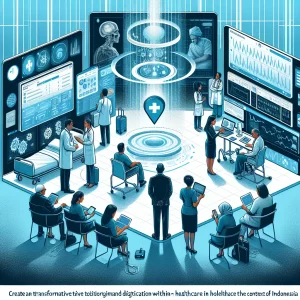
Digitalization of healthcare has the potential to bring significant benefits to the healthcare system, patients, and medical professionals. Some of the key benefits include:
1. Improved Access to Healthcare Services
Digitalization can facilitate telemedicine services, enabling patients in remote areas to access healthcare professionals virtually. This can help in overcoming geographical barriers and ensure that individuals in underserved areas receive timely medical assistance.
2. Enhanced Efficiency and Productivity
By digitizing healthcare processes such as appointment scheduling, patient record management, and billing, healthcare facilities can streamline their operations and reduce administrative burdens. This leads to improved efficiency, allowing medical professionals to focus more on patient care.
3. Better Patient Outcomes
Digitalization enables the seamless sharing of patient data among healthcare providers, ensuring a more holistic approach to patient care. This leads to better coordination among healthcare professionals, timely interventions, and ultimately, improved patient outcomes.
4. Data-driven Decision Making
Digitalization of healthcare systems generates vast amounts of data that can be analyzed to identify trends, patterns, and insights. This data-driven approach can help healthcare providers make informed decisions, personalize treatments, and improve overall quality of care.
5. Cost Savings
By reducing paperwork, eliminating redundant tasks, and preventing medical errors through electronic health records, digitalization can lead to cost savings for healthcare facilities. This can translate to lower healthcare costs for patients and improved financial sustainability for the healthcare system.
6. Enhanced Communication and Collaboration
Digital tools such as teleconferencing, messaging platforms, and electronic health records facilitate communication and collaboration among healthcare professionals. This not only improves the coordination of care but also enables knowledge sharing and continuous learning within the healthcare community.
Overall, the digitalization of healthcare has the potential to revolutionize the healthcare landscape, making healthcare services more accessible, efficient, and effective for all stakeholders involved.