



Adapting to New Working Methods

Pekka Ollikainen 6.3.2024
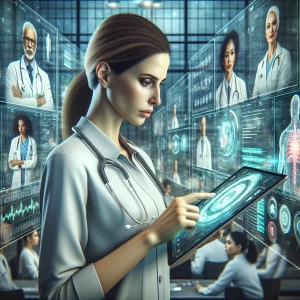
In the transition to digital working methods in healthcare, there are both challenges and opportunities that medical personnel need to be prepared for. This topic explores the key aspects to consider during this shift.
Challenges:
-
Resistance to Change: A significant challenge faced by medical personnel is the resistance to adopting new technologies and working methods. Some may be hesitant to move away from traditional practices.
-
Training Needs: Medical staff may require extensive training to understand and effectively use new digital tools and systems. This can be time-consuming and may disrupt daily operations initially.
-
Data Security Concerns: With the digitalization of healthcare data, ensuring data security and patient privacy becomes a crucial challenge. Medical personnel need to be aware of data protection protocols and practices.
-
Interoperability Issues: Different digital systems used in healthcare may not always be compatible with each other, leading to interoperability issues. This can hinder seamless communication and data sharing among healthcare providers.
Opportunities:
-
Efficiency and Accuracy: Digital working methods can streamline processes, reduce paperwork, and minimize errors in healthcare delivery. Medical personnel can benefit from improved efficiency and accuracy in their day-to-day tasks.
-
Enhanced Communication: Digital healthcare systems enable better communication and collaboration among medical teams, leading to improved patient care outcomes. Medical personnel can easily share information and coordinate care plans.
-
Data-driven Decision Making: With digital tools and analytics, medical personnel can access real-time data and insights to make informed decisions. This can help in personalized patient care and treatment planning.
-
Remote Access and Telemedicine: Digital working methods open up opportunities for remote consultations, telemedicine services, and virtual care delivery. Medical personnel can reach patients in remote areas and provide timely healthcare services.
In conclusion, while the transition to digital working methods in healthcare poses challenges, including resistance to change and data security concerns, it also offers significant opportunities for efficiency, enhanced communication, data-driven decision-making, and remote access to healthcare services. Medical personnel need to adapt to these new working methods to effectively leverage the benefits of digitalization in healthcare.