
-
Lesson 1: Introduction to Nursing3 Topics
-
Lesson 2: Anatomy and Physiology2 Topics
-
Lesson 3: Nursing Ethics and Professionalism3 Topics
-
Lesson 4: Health Assessment4 Topics
-
Lesson 5: Essentials of Nursing Care3 Topics
-
Lesson 6: Pharmacology in Nursing3 Topics
-
Lesson 7: Maternal and Child Health Nursing3 Topics
-
Lesson 8: Mental Health Nursing3 Topics
-
Lesson 9: Nursing Research and Evidence-Based Practice3 Topics
-
Lesson 10: Introduction to Clinical Practice2 Topics




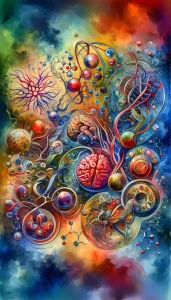
In this topic, we will delve into the fascinating world of human physiology. Physiology is the branch of biology that studies the functions and processes of living organisms. Specifically, we will focus on the physiological processes and functions of the human body, such as metabolism, homeostasis, cell function, and the endocrine system.
2.2.1 Metabolism
Metabolism refers to all the chemical reactions that occur within the body to maintain life. It involves the conversion of food into energy, the building and repair of tissues, and the elimination of waste products. Students will explore the key concepts related to metabolism, including anabolism (the building up of substances) and catabolism (the breakdown of substances). We will also discuss the role of enzymes in metabolism and the importance of energy balance in maintaining optimal health.
2.2.2 Homeostasis
Homeostasis is the body’s ability to maintain a stable internal environment despite external changes. Students will learn about the various physiological mechanisms involved in homeostasis, including negative feedback loops. We will discuss the role of various body systems, such as the nervous and endocrine systems, in maintaining homeostasis. Additionally, students will explore specific examples of homeostasis, such as temperature regulation, blood glucose regulation, and fluid balance.
2.2.3 Cell Function
Cells are the building blocks of life, and understanding their function is essential in studying human physiology. In this section, students will learn about the different types of cells in the human body and their specialized functions. We will explore the structure and function of organelles within cells, such as the nucleus, mitochondria, and endoplasmic reticulum. Additionally, we will discuss cell communication and the importance of cell membrane transport processes in maintaining cellular homeostasis.
2.2.4 The Endocrine System
The endocrine system is a complex network of glands that secrete hormones into the bloodstream to regulate various bodily functions. In this part of the topic, students will explore the major glands of the endocrine system, such as the pituitary gland, thyroid gland, adrenal glands, and pancreas. We will discuss the role of hormones in regulating physiological processes, including growth and development, metabolism, reproduction, and stress response. Students will also learn about common endocrine disorders and their impact on overall health.
By studying human physiology, students will gain a deeper understanding of how the body functions and responds to different internal and external stimuli. This knowledge is crucial for nursing students as they learn to provide optimal care and support for their patients.