
-
Lesson 1: Introduction to Nursing in Zambia3 Topics
-
Lesson 2: Fundamentals of Nursing3 Topics
-
Lesson 3: Anatomy and Physiology4 Topics
-
Lesson 4: Pharmacology3 Topics
-
Lesson 5: Health Assessment3 Topics
-
Lesson 6: Community Health Nursing3 Topics
-
Lesson 7: Maternal and Child Health Nursing3 Topics
-
Lesson 8: Mental Health Nursing3 Topics
-
Lesson 9: Communication Skills3 Topics
-
Lesson 10: Medicines Delivery3 Topics




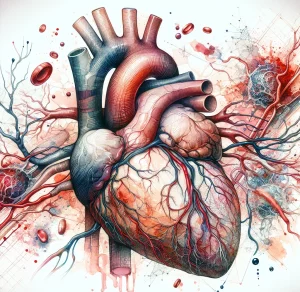
The cardiovascular system is a vital component of the human body, responsible for the transportation of oxygen, nutrients, hormones, and waste products throughout the body. This topic aims to provide a comprehensive understanding of the structure and function of the cardiovascular system, including the heart, blood vessels, and blood circulation.
Learning Objectives
By the end of this lesson, you will be able to:
- Identify the major components of the cardiovascular system
- Describe the structure and function of the heart
- Explain the types and functions of blood vessels
- Understand the process of blood circulation
Introduction to the Cardiovascular System
The cardiovascular system, also known as the circulatory system, is comprised of the heart, blood vessels, and blood. It plays a crucial role in maintaining the overall health and functionality of the body. This system ensures the transportation of essential substances to different organs and tissues, while also aiding in the removal of waste products.
The Heart: Structure and Function
The heart, a muscular organ located in the chest, acts as a pump that propels blood throughout the body. Understanding the structure and function of the heart is essential to comprehend its role in the cardiovascular system.
- Structure of the Heart: Explore the different chambers, valves, and major blood vessels associated with the heart.
- Function of the Heart: Learn about the cardiac cycle and the roles of atria, ventricles, and valves in the pumping action of the heart.
Blood Vessels: Types and Functions
Blood vessels are responsible for carrying blood to and from the heart, ensuring proper circulation throughout the body. This section will focus on the various types of blood vessels and their functions.
- Arteries: Understand how arteries carry oxygenated blood away from the heart to supply oxygen to different body tissues.
- Veins: Explore the role of veins in carrying deoxygenated blood back to the heart.
- Capillaries: Learn about the microscopic capillaries that facilitate the exchange of gases, nutrients, and waste products between the blood and surrounding tissues.
Blood Circulation
Blood circulation is a complex process involving the continuous movement of blood through the cardiovascular system. This section will cover the pathway of blood circulation and the significance of systemic and pulmonary circulation.
- Systemic Circulation: Understand the process of carrying oxygenated blood to the body tissues and returning deoxygenated blood to the heart.
- Pulmonary Circulation: Explore the circulation of blood between the heart and the lungs for oxygenation.
Summary
In this topic, we explored the structure and function of the cardiovascular system, focusing on the heart, blood vessels, and blood circulation. Understanding the intricacies of this system is crucial for nursing professionals as they provide care for patients with cardiovascular conditions. In the upcoming lessons, we will dive deeper into specific aspects of the cardiovascular system, such as common cardiovascular disorders and nursing interventions.