
-
Lesson 1: Introduction to Nursing in Zambia3 Topics
-
Lesson 2: Fundamentals of Nursing3 Topics
-
Lesson 3: Anatomy and Physiology4 Topics
-
Lesson 4: Pharmacology3 Topics
-
Lesson 5: Health Assessment3 Topics
-
Lesson 6: Community Health Nursing3 Topics
-
Lesson 7: Maternal and Child Health Nursing3 Topics
-
Lesson 8: Mental Health Nursing3 Topics
-
Lesson 9: Communication Skills3 Topics
-
Lesson 10: Medicines Delivery3 Topics



6.1 Concepts and Principles of Community Health Nursing

Pekka Ollikainen 18.7.2023
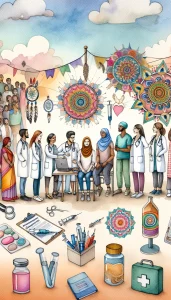
In this topic, we will explore the key concepts and principles of community health nursing. Community health nursing is a specialized field of nursing that focuses on promoting and preserving the health of individuals, families, and communities, and preventing diseases and injuries.
Importance of Population-Focused Care
To provide effective community health nursing care, it is essential to adopt a population-focused approach. This means considering the health needs and concerns of the entire population within a defined community or area, rather than just focusing on individual patients. By understanding the unique characteristics and challenges of the community, nurses can develop strategies and interventions that address the specific health concerns and promote overall well-being.
Population-focused care involves assessing the health status of the community, identifying health disparities, and implementing targeted healthcare interventions. Nurses working in community health are responsible for collaborating with other healthcare professionals, community leaders, and organizations to develop and implement programs that improve health outcomes.
Principles of Community Health Nursing
- Health Promotion: Community health nursing emphasizes health promotion and disease prevention. Nurses play a crucial role in educating individuals and communities about healthy lifestyles, including nutrition, exercise, and stress management. They also help in raising awareness about immunizations, screenings, and early detection of diseases.
- Primary Prevention: Primary prevention focuses on preventing diseases and injuries before they occur. Nurses in community health settings engage in activities such as immunization campaigns, health education programs, and advocating for policies and regulations that promote public health.
- Health Education: Community health nursing involves providing education and counseling to individuals and communities, empowering them to take control of their health. Nurses teach individuals about self-care, disease management, and preventive measures to reduce the occurrence of health problems.
- Advocacy: Nurses in community health settings act as advocates for the health needs and rights of individuals and communities. They work to ensure access to healthcare resources, promote health equity, and address social determinants of health that contribute to health disparities.
- Collaboration: Collaborating with other healthcare professionals, community organizations, and stakeholders is crucial in community health nursing. Nurses work together with local authorities, community leaders, and non-governmental organizations to develop and implement health programs and policies that meet the unique needs of the community.
- Cultural Sensitivity: Community health nursing requires nurses to be culturally sensitive and respectful of the diverse beliefs, values, and traditions of the community. By understanding and embracing cultural differences, nurses can provide care that is both effective and culturally appropriate.
Conclusion
Understanding the concepts and principles of community health nursing is essential for nurses working in community settings. By adopting a population-focused approach and promoting health, community health nurses can make a significant impact on the overall well-being of individuals, families, and communities. Through collaboration, education, and advocacy, nurses can contribute to reducing health disparities and improving health outcomes in their communities.