
-
Lesson 1: Introduction to Nursing in Zambia3 Topics
-
Lesson 2: Fundamentals of Nursing3 Topics
-
Lesson 3: Anatomy and Physiology4 Topics
-
Lesson 4: Pharmacology3 Topics
-
Lesson 5: Health Assessment3 Topics
-
Lesson 6: Community Health Nursing3 Topics
-
Lesson 7: Maternal and Child Health Nursing3 Topics
-
Lesson 8: Mental Health Nursing3 Topics
-
Lesson 9: Communication Skills3 Topics
-
Lesson 10: Medicines Delivery3 Topics




Introduction
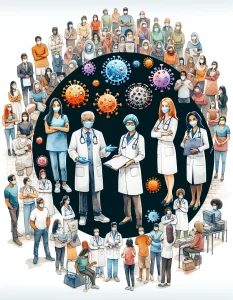
In this topic, we will explore the strategies and interventions employed by community health nurses in preventing and controlling communicable diseases within the community. Communicable diseases pose a significant threat to the health and well-being of individuals and communities. By understanding the principles of disease prevention and control, community health nurses can play a vital role in promoting the overall health of the population.
Learning Objectives
By the end of this topic, you will be able to:
- Define communicable diseases and their impact on the community.
- Explain the principles of disease prevention and control.
- Identify the roles and responsibilities of community health nurses in preventing and controlling communicable diseases.
- Describe the strategies and interventions used in disease prevention and control.
- Understand the importance of collaboration and community engagement in disease prevention and control efforts.
Understanding Communicable Diseases
Before delving into disease prevention and control strategies, it is essential to understand what communicable diseases are and how they impact the community. Communicable diseases are illnesses caused by infectious agents such as bacteria, viruses, parasites, or fungi that can spread from one person to another. These diseases can have severe consequences, leading to increased morbidity and mortality rates within the community.
Principles of Disease Prevention and Control
To effectively prevent and control communicable diseases, community health nurses adhere to several key principles. These principles aim to interrupt the transmission of diseases, reduce the risk of exposure, and promote overall community health. The principles include:
- Primary Prevention: Focuses on preventing the disease from occurring in the first place. This involves measures such as vaccination, health education, and promoting personal hygiene practices.
- Secondary Prevention: Aims to detect and treat the disease in its early stages. This includes conducting screenings, providing timely medical interventions, and initiating appropriate treatment protocols.
- Tertiary Prevention: Focuses on reducing the impact of an already established disease to prevent further complications and disabilities. This involves ongoing medical care, rehabilitation, and support services.
Roles and Responsibilities of Community Health Nurses
Community health nurses play a crucial role in preventing and controlling communicable diseases within their assigned communities. They are responsible for:
- Assessing the health needs of the community and identifying disease patterns and risk factors.
- Developing and implementing disease prevention and control programs tailored to the community’s needs.
- Conducting health education sessions to promote awareness and encourage healthy behaviors.
- Collaborating with other healthcare professionals, community leaders, and organizations to strengthen disease prevention efforts.
- Monitoring and evaluating the effectiveness of disease prevention and control interventions.
Strategies and Interventions in Disease Prevention and Control
Community health nurses employ various strategies and interventions to prevent and control communicable diseases. These include:
- Vaccination campaigns: Organizing and administering immunization programs to protect individuals and the community from vaccine-preventable diseases.
- Surveillance and reporting: Monitoring disease trends, conducting epidemiological investigations, and promptly reporting notifiable diseases to relevant health authorities.
- Infection control measures: Implementing standard precautions, promoting hand hygiene, and ensuring proper waste management to prevent the spread of infections.
- Contact tracing: Identifying and monitoring individuals who may have been exposed to a communicable disease to prevent further transmission.
- Health promotion and education: Conducting community-wide health education sessions on disease prevention, proper hygiene practices, and the importance of early detection and treatment.
Collaboration and Community Engagement
Disease prevention and control efforts require collaboration and community engagement. Community health nurses work closely with community members, local leaders, and healthcare professionals to ensure effective implementation of prevention and control strategies. Engaging the community through participatory approaches fosters ownership and sustainability of disease control initiatives.
Conclusion
Disease prevention and control play a critical role in maintaining the health and well-being of communities. Community health nurses are at the forefront of these efforts, employing various strategies and interventions to prevent and control communicable diseases. By understanding the principles discussed in this topic and actively engaging with the community, community health nurses can make a significant impact in reducing the burden of communicable diseases and promoting a healthier community.