
-
Lesson 1: Introduction to Nursing in Zambia3 Topics
-
Lesson 2: Fundamentals of Nursing3 Topics
-
Lesson 3: Anatomy and Physiology4 Topics
-
Lesson 4: Pharmacology3 Topics
-
Lesson 5: Health Assessment3 Topics
-
Lesson 6: Community Health Nursing3 Topics
-
Lesson 7: Maternal and Child Health Nursing3 Topics
-
Lesson 8: Mental Health Nursing3 Topics
-
Lesson 9: Communication Skills3 Topics
-
Lesson 10: Medicines Delivery3 Topics




Introduction
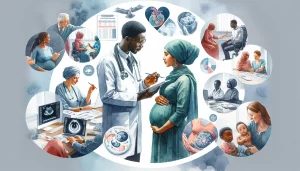
Prenatal care plays a vital role in ensuring the healthy development of both the mother and the unborn child. It involves a series of medical check-ups, screenings, and educational sessions that aim to provide comprehensive support to pregnant women. In this topic, we will explore the importance of prenatal care, including the significance of antenatal education and risk assessment in Zambia.
Importance of Prenatal Care
Prenatal care is essential for the early detection and prevention of potential health issues during pregnancy. It allows healthcare professionals to monitor the progress of the pregnancy and identify any complications that may arise. Regular prenatal visits enable healthcare providers to address concerns, provide guidance, and ensure the overall well-being of the mother and the baby.
Antenatal Education
Antenatal education plays a crucial role in empowering pregnant women with knowledge and skills to make informed decisions about their healthcare. It involves educational sessions that cover various topics related to pregnancy, childbirth, and newborn care. Antenatal classes provide an opportunity for expectant mothers and their partners to learn about prenatal nutrition, exercise, relaxation techniques, breastfeeding, and postpartum care.
Objectives of Antenatal Education
Antenatal education aims to achieve the following objectives:
- Promote a healthy lifestyle: Antenatal education equips pregnant women with knowledge about the importance of maintaining a healthy diet, engaging in regular physical activity, and avoiding harmful habits such as smoking and alcohol consumption.
- Enhance self-care skills: Through antenatal education, women learn how to recognize and respond to common pregnancy discomforts, such as nausea, fatigue, and back pain. They also learn techniques for relaxation and stress management.
- Facilitate informed decision-making: Antenatal education provides information about various options available during pregnancy, labor, and delivery. This empowers women to make informed decisions about pain management, childbirth positions, and other aspects of their pregnancy journey.
- Promote bonding and preparation for parenting: Antenatal classes offer an opportunity for expectant parents to bond with each other and with their baby. They learn about infant care, breastfeeding techniques, and the importance of early bonding to promote the healthy development of the baby.
Risk Assessment in Prenatal Care
Risk assessment is a crucial component of prenatal care. It involves identifying potential risks and complications that may affect the health of the mother or the baby. Healthcare providers use various assessment tools, including medical history, physical examinations, and diagnostic tests, to evaluate the risk factors associated with the pregnancy.
By identifying high-risk pregnancies early on, healthcare professionals can provide the necessary interventions and specialized care to minimize potential complications. Risk assessment also helps in determining the need for additional monitoring and support throughout the pregnancy.
Conclusion
Prenatal care and antenatal education play a significant role in promoting the health and well-being of pregnant women in Zambia. Through regular check-ups, educational sessions, and risk assessment, expectant mothers can receive the necessary support and guidance to ensure a healthy pregnancy and a positive childbirth experience. By empowering women with knowledge and involving them in the decision-making process, prenatal care contributes to better maternal and child health outcomes.